A Guide to Running a Community Lost-and-Found Table

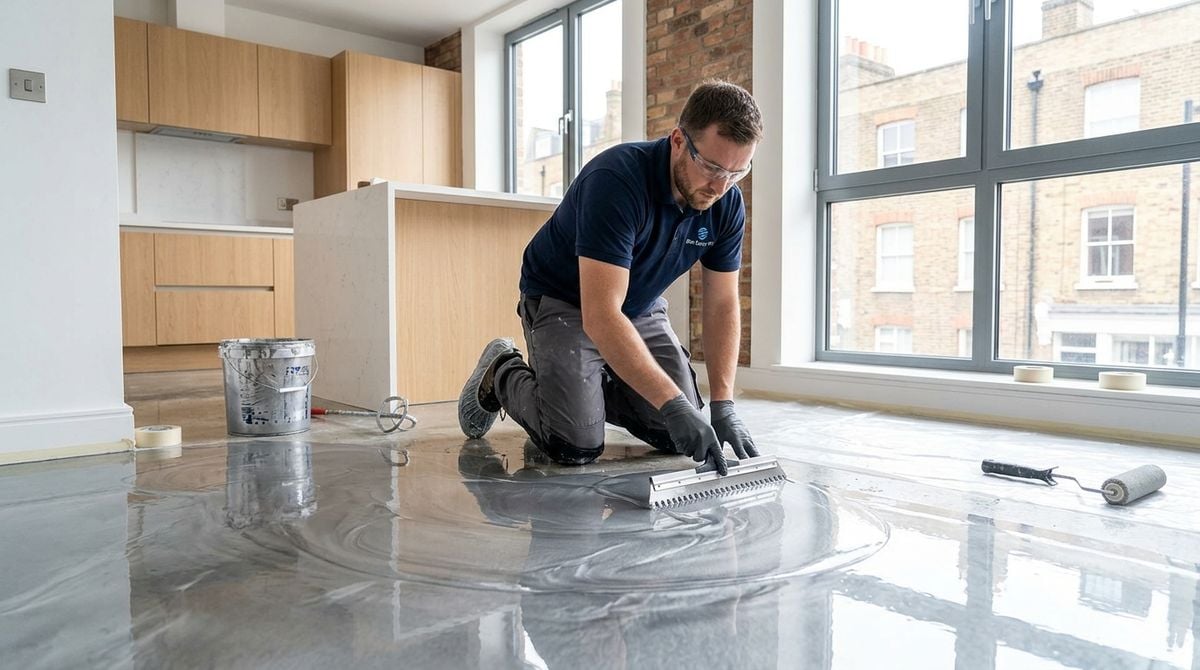
A temporary lost-and-found table can reunite people with water bottles, scarves, books, and other belongings after a community event. Without a clear process, however, it can expose personal information, invite mistaken claims, or leave organizers storing objects indefinitely. A responsible setup defines what will be accepted, how claims work, and when unclaimed items leave the […]

A Guide to Sharing a Quiet Hobby Space With Another Person

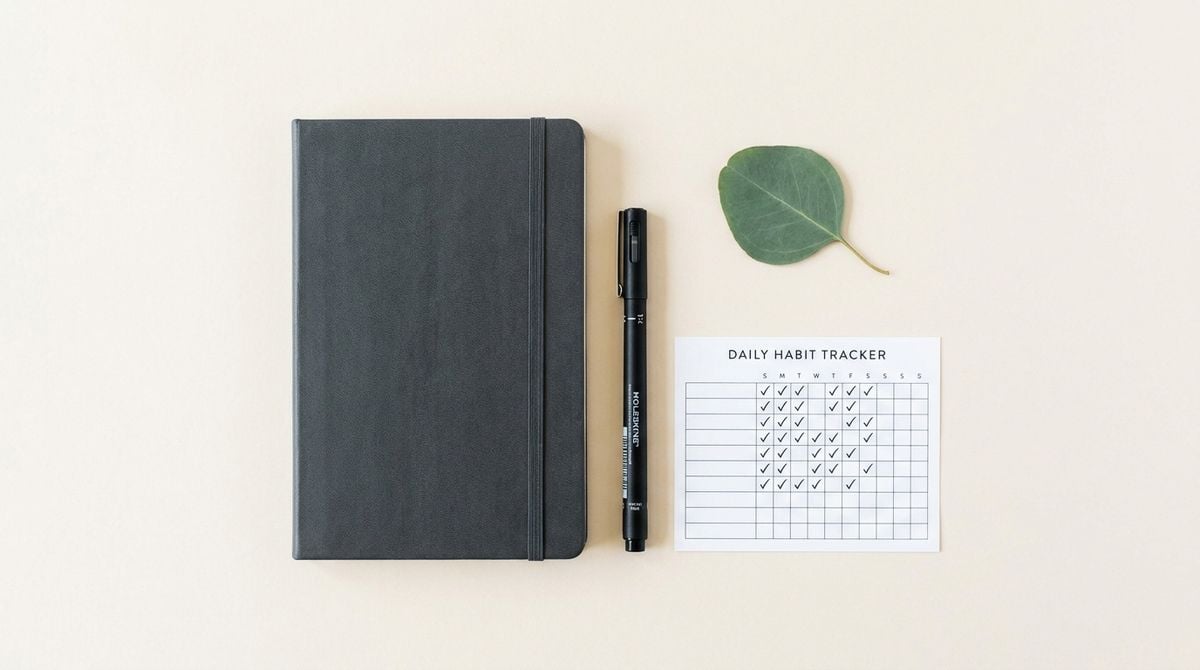
A quiet hobby space might support reading, drawing, model-making, sewing, puzzles, or music heard through headphones. Sharing it can save room and create pleasant companionship, but only if both people can begin, pause, and store their work without constantly moving the other’s materials. The goal is not perfect symmetry. It is a fair arrangement based […]

How to Keep Reusable Drink Bottles Clean and Ready

The need for a reusable-bottle care routine can seem like a minor concern until it repeatedly costs time, attention, or goodwill. A deliberate approach to a reusable-bottle care routine does not need elaborate equipment or strict rules. Its purpose is to make bottles pleasant to use by preventing lingering moisture, odors, and missing parts. The […]

How to Make an Emergency Contact Sheet Easy to Find and Update

It is tempting to wait for ideal conditions before improving essential contact information needed during an urgent situation. In practice, a useful routine grows from observing what already happens, choosing a clear next action, and making that action convenient. This guide focuses on how to give household members a dependable offline reference without making the […]

How to Test a New Personal Routine Without Rebuilding the Whole Week

Everyday systems work best when they solve a specific point of friction rather than attempting to control an entire home, group, or personal life. This guide focuses on trying one behavioral change in a stable part of the week before reorganizing everything around it. A promising routine often arrives with a new schedule, supplies, tracking […]

A Wet-Weather Landing Zone Checklist for Cold Months

A good approach to this task should contain damp clothing, grit, and everyday departures in a small practical zone. The aim is not to create a flawless performance. It is to make the next useful action visible, keep the effort proportionate, and leave the situation easier to handle the next time it appears. Begin with […]

A Respectful Queue Etiquette Guide for Everyday Situations

Everyday queue etiquette can be simple, but it works best when it is shaped around a clear purpose. The aim is to make shared waiting spaces more orderly and less stressful for everyone. That purpose keeps the activity from growing into a performance, a shopping project, or another source of pressure. Start with the life […]

A Personal Admin Hour That Prevents Small Tasks from Spreading

Personal admin hour can be simple, but it works best when it is shaped around a clear purpose. The aim is to contain routine paperwork and messages so they do not interrupt every day. That purpose keeps the activity from growing into a performance, a shopping project, or another source of pressure. Start with the […]

Planning for Irregular Bills Without Treating Them as Surprises

Preparing for nonmonthly expenses is easier to approach when the task is broken into visible, ordinary decisions. Annual fees, seasonal costs, maintenance, and school needs are predictable in type even when the exact amount varies. The goal is not to create a perfect system or predict every expense. It is to understand the next choice, […]

A Household Plan for Replacing Borrowed or Rented Items

A household money plan is most useful when it supports ordinary decisions instead of demanding perfect prediction. When preparing for the responsibility of returning or replacing borrowed and rented household items, the purpose is to protect relationships and avoid rushed spending when an item is damaged, lost, or due back. The result should be clear […]