

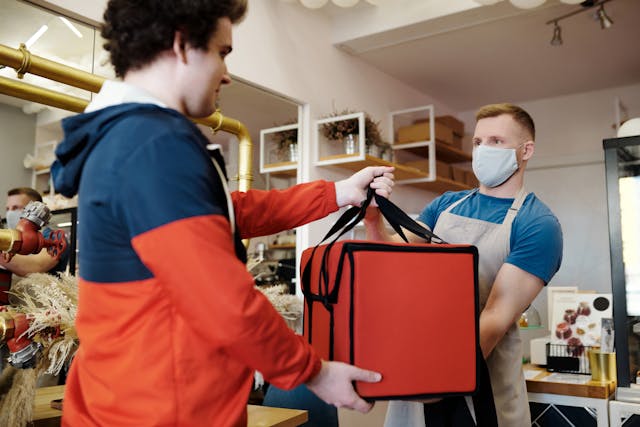
Silent Alley Deliveries For Tight Streets With Restaurant Equipment Downtown Los Angeles
When the call comes for restaurant equipment Los Angeles, the real plot twist is not the ovens or the chillers, it is the alley. Tight streets, sleepy neighbors, and a loading zone that disappears like a mirage make every delivery feel like a tiny heist, only with more clipboards. The job is part comedy, part chess, and part whispering, with nerves kept calm by small routines. The goal stays simple though. Arrive quietly, protect the building, and leave nothing behind except relief, a clean hallway, and a faint smell of fresh cardboard.
The Alley Becomes A Stage And Every Wheel Has A Role
Downtown back lanes reward patience and planning, not bravado. A crew that moves like librarians carrying soup can get twice the work done, because stops are shorter and mistakes are rarer. Pads go on corners before the first lift. Routes get walked before the first cart rolls. Small signals take over, a nod to pivot, a soft call to pause.
Noise discipline is its own skill. Shelves get strapped, loose pans get nested, and doors get guided so hinges do not shout. When a truck has to idle, it idles politely, and when a cart crosses a threshold, it does not bump the frame like a cymbal. The street stays calm, and the venue does not inherit a list of scratches.
How Can A Midnight Delivery Stay Polite And Still Be Fast
Speed is built in advance, then performed softly. Gear gets grouped by destination, hardware gets bagged and labeled, and doors get held like a favor, not a battle. Headlamps get aimed down, not into windows, and the ramp gets checked twice because a quiet slip is still a slip. A courteous delivery also respects building staff, because nobody wants a surprise convoy in a narrow hallway, especially when the lobby camera is watching.
- Measure turns before the heavy pieces arrive.
- Wrap handles so metal does not clack.
- Use rubber wheels to hush rough pavement.
- Keep tool bags zipped to avoid jingling.
After those basics, the work feels smoother and calm. Even a tight alley starts to cooperate when noise stops leading the conversation. That is when the scene clicks.
Tight Streets Reward Clean Paperwork And Cleaner Timing
Permits, freight elevator windows, and a quick nod to the security desk can save more time than extra muscle. When the timing is right, carts glide instead of fight, and the sidewalk stays friendly. It also helps when the load plan is written like a menu, first course, main course, then the delicate dessert that cannot be bumped. Sometimes the elevator sulks, so Plan B stays ready.
A good trick is treating the alley like a one lane bridge. One cart goes, one cart returns, and everyone knows the passing spots. That simple rule keeps the line moving and prevents the classic downtown dance where two people stare at each other, each holding something expensive.
What Keeps The Last Trip Quiet When The Street Is Still Awake
The final run is where reputations get made. Empty crates are stacked neatly, floor runners get pulled without snapping, and doors close gently like someone is trying not to wake a baby. A quick sweep is not just nice, it is practical, because small debris is what turns a clean job into a complaint. Then the last check happens, latch tight, straps collected, and the curb cleared without lingering.
- Do a final sweep under ramps and mats.
- Check corners for drip trays and screws.
- Thank staff and clear the curb fast.
When the alley is left calmer than it was found, the night feels like a win. The food will get the applause later, but the quiet logistics deserve a little bow too.