Planning Your First Independent Trip Without Stress
Stepping onto a plane, train, or open highway for your very first self-planned trip brings an unforgettable rush of freedom mixed with natural nervousness. Without a tour guide or family organizer handling every transfer and reservation, beginners suddenly manage routes, lodging, budgets, and unexpected schedule changes on their own. Fortunately, planning a smooth independent adventure comes down to simple organization rather than years of travel experience.
Breaking trip preparation into clear, manageable stages prevents last-minute panic the night before departure. By choosing an approachable first destination, booking flexible logistics, and packing thoughtfully, you set yourself up for genuine discovery. Every seasoned globetrotter started with one modest first journey and learned as they went.
Choosing an Approachable First Destination
For your initial independent trip, selecting a destination with reliable public transit, clear signage, and welcoming hospitality keeps daily stress low. Cities or regions where you already speak the primary language or where English is widely understood let you focus on navigation and sightseeing rather than constant translation. Starting with a manageable four-to-six-day itinerary gives you plenty of time to explore without exhausting your energy.
Researching local neighborhood layouts before booking accommodation ensures you stay near transit hubs, walkable cafes, and well-lit streets. Reading recent traveler reviews helps verify whether a hotel or guesthouse sits on a steep hill or far from evening bus lines. Readers may also want to visit butlerdispatch.com.
Leaving deliberate blank spaces on your daily itinerary leaves room for spontaneous discoveries, rainy afternoon museum visits, or simply resting your feet at a local park.
Organizing Documents, Bookings, and Backups
Having all confirmation numbers, boarding passes, and identification organized in one place eliminates frantic searching at airport counters or hotel lobbies. Creating a dedicated trip folder on your smartphone for offline PDF copies of reservations ensures you can access addresses even without cellular data. Printing one single-page paper summary containing hotel addresses, emergency contacts, and flight numbers serves as a reliable backup if your phone battery dies.
Checking passport expiration dates and entry rules months ahead prevents heartbreaking surprises at departure gates. Many countries require passports to remain valid for at least six months beyond your planned return date. You can also visit kavkazweb.net for more reading.
Photographing the information page of your passport and storing it securely in encrypted cloud storage speeds up replacement assistance if documents ever go missing.
Packing Light for Effortless Mobility
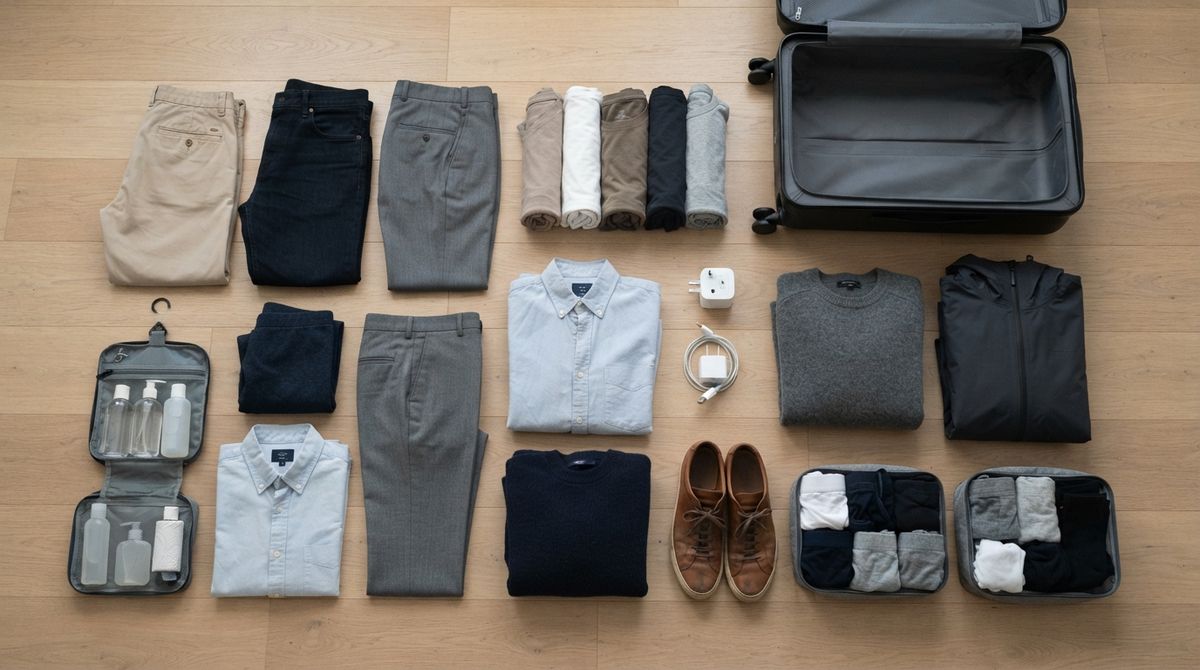
Overpacking is the single most common mistake beginners make, turning every train staircase and cobblestone sidewalk into an exhausting workout. Aiming for a single carry-on suitcase or travel backpack keeps you nimble, saves checked baggage fees, and eliminates the risk of lost luggage at connecting airports. Choosing versatile clothing in neutral colors that layer easily handles changing weather without stuffing your bag.
Packing cubes compress outfits neatly while keeping clean clothes separated from laundry throughout the journey. Leaving a small pocket of empty space inside your bag guarantees room for local treats or souvenirs on the trip home. For a related read on this site, see A Friendly Routine for Checking In on a.
* Wear your heaviest walking shoes and bulkiest jacket on travel days to save valuable suitcase space.
* Pack a small daypack with a refillable water bottle, portable phone charger, and basic first-aid items for daily outings.
* Download offline maps of your destination city onto your phone before leaving home wifi.
Navigating Unexpected Delays With Calm Flexibility
Even the most carefully planned itinerary occasionally encounters delayed trains, sudden downpours, or sold-out museum tickets. Treating minor hiccups as normal parts of travel rather than ruined plans preserves your mood and creativity. Keeping snacks, a good book, and extra patience in your daypack turns airport delays into quiet downtime.
Asking local shopkeepers, transit staff, or hotel desk clerks for directions or restaurant tips often leads to your favorite memories of the trip. Most people genuinely enjoy helping polite, curious visitors navigate their hometown.
Embracing the Joy of Independent Exploration
Completing your first self-planned trip builds a quiet confidence that carries far beyond travel. Navigating unfamiliar streets, managing your own schedule, and discovering hidden corners at your own pace proves how capable and adaptable you truly are.
Keep your plans realistic, pack lighter than you think you need, and stay curious around every corner. Your first adventure is simply the opening chapter of a lifetime of meaningful journeys.