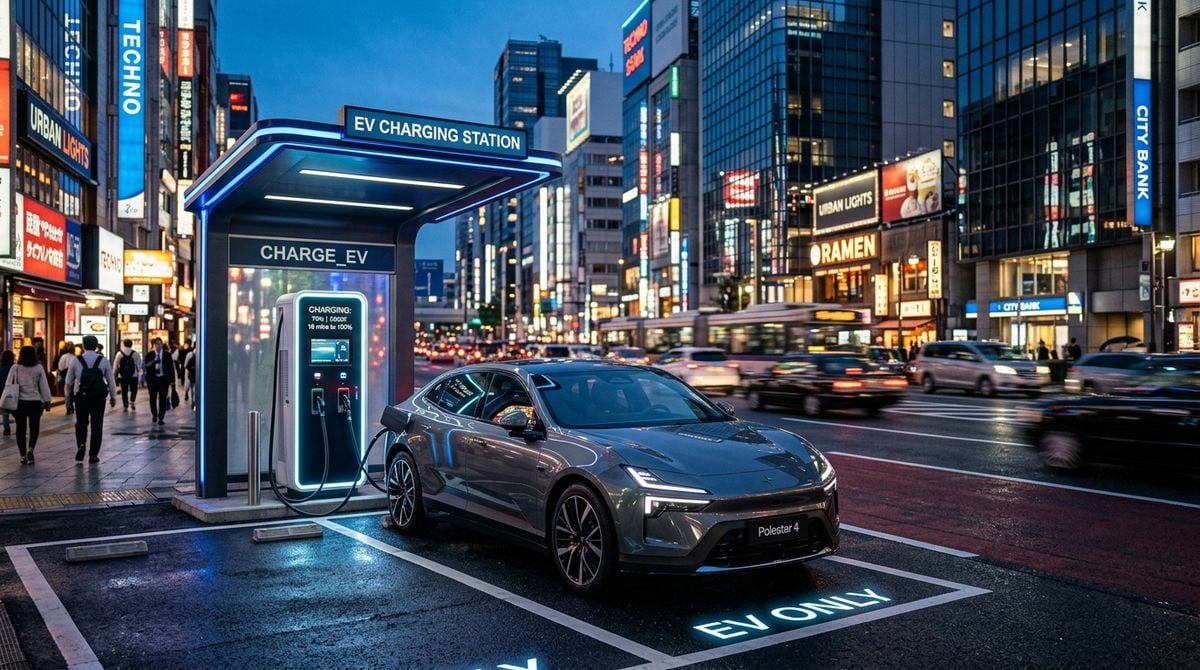
Electric Vehicles for Sports Clubs and Familiar Diesel Vans
Sports clubs rely on vans and minibuses to carry players, equipment, and volunteers to games. Electric vehicles now appear in many fleet catalogs, and some clubs are weighing them against trusted diesel models. The newer option promises lower running costs and quieter operation, though charging and range need careful planning. The old questions about reliability, seating, and cargo space still decide the right choice.
This article helps club leaders compare electric and diesel vehicles for everyday team travel. It offers general information on planning, charging, costs, maintenance, and driver training, and it avoids guarantees about any model’s performance. The sections move from route planning to charging, budgeting, maintenance, driver training, and the final fleet choice.
Mapping Routes Before Choosing a Vehicle
Start by listing the trips your club makes in a typical season. Note the distances, the venues, and any long away trips with overnight stays. An electric vehicle suits short, predictable routes with access to charging at both ends. Longer trips may still favor a diesel vehicle that refuels quickly at many stations. Note any route that needs a stop for fuel or a long rest.
Look at the schedule as well as the distances. Early morning training runs, late returns from away games, and weekend tournaments all place different demands on a vehicle. Note how many hours a vehicle sits between trips, since that time can be used for charging. Readers may also want to visit Agencourt. Share the route table with coaches and parents so that everyone sees the same plan.
Charging Access and Home Base Setup
Charging is the biggest practical question for electric vans. A club with a secure parking area and a dependable power supply has more options than one that depends on public chargers. Ask a qualified electrician to assess the site, and get written quotes for any upgrades. Keep records of the work for future planning.
Consider how a charging point will serve other users, such as a community hall or a school. Shared access can change who pays for power and how bookings are made, so write those details down early.
Public charging can be useful, but it needs planning. Check the speed of each charger, its availability, and the cost per session. A driver should know the backup plan if a station is out of service. You can also visit lawyernewsblog.com for more reading.
Comparing Total Ownership Costs Fairly
Total cost of ownership includes more than the purchase price. Add insurance, electricity or fuel, servicing, tires, and the expected resale value. Ask for written estimates from at least two providers, and compare them on the same assumptions. A fair comparison looks at the whole life of the vehicle, not only the first invoice.
Many clubs also depend on donations or fundraising, so check any funding terms with care and confirm whether they affect the vehicle choice. Compare the expected working life of each vehicle as well, since a longer life can change the cost per season. For a related read on this site, see Sharing a Team Minibus Among Coaches and Staff.
Maintenance, Tires and Seating Capacity
Electric vehicles need less routine servicing in some areas, yet tires, brakes, and cabin systems still need care. Heavy loads and long highway runs wear components faster. Plan inspections around the calendar of matches and tournaments, and keep the records in one place. Good maintenance keeps the fleet available when the team needs it. Keep a spare set of wiper blades, a first aid kit, and a basic tool roll in the vehicle at all times.
Seating capacity and cargo space matter as much as range. Measure the space needed for players, bags, first aid kits, and training equipment. Measure the doorway height too, since some vehicles need extra clearance for equipment. Test the vehicle with a full load before committing. Comfort on a long journey affects team morale and the safety of every trip.
Training Drivers for Safe, Calm Journeys
Drivers should understand how a chosen vehicle behaves. Electric vehicles can feel different from diesel models in acceleration, braking, and regenerative feedback. A short training session on a quiet road or in a car park helps drivers adjust before carrying passengers. Keep a simple checklist for pre-trip and post-trip checks. Practice the checklist together so drivers become familiar with each item.
Older driving habits still matter. Plan breaks, avoid rushing, and keep the vehicle clean and well stocked. Make sure every driver knows the emergency contacts and the location of first aid supplies. These steps protect players and volunteers no matter what powers the vehicle. A brief debrief after each trip lets drivers share small issues before they grow.
Choosing the Fleet That Fits the Season
The right fleet depends on routes, budgets, and the calendar of the club. Electric options can suit short local trips, while diesel models may remain practical for longer away days. A mixed fleet is possible, and it can be tuned as needs change. Review the choice each season and keep an open mind. Every season brings new routes, so a fleet plan works best when it is reviewed and adjusted.