Keeping Houseplants Alive While Busy Weeks Pile Up
Houseplants bring colour, calm, and a sense of care into a home. Yet busy weeks, long school days, and unexpected trips can leave plants thirsty, dusty, or forgotten. Many plant losses come not from neglect but from a simple mismatch between the plant’s needs and a household’s routine. With a few sensible choices, it is possible to enjoy greenery even when life is hectic. This article offers practical guidance for choosing, placing, and caring for houseplants without adding stress to a full schedule.
Choose plants that suit your routine
Start by being honest about how much time you can give. Some plants tolerate dry soil for longer periods, while others need frequent attention. Trailing plants, snake-type plants, and many succulents are often considered forgiving, although every species has its own preferences. Look at the label or ask a knowledgeable shop assistant before buying. A plant that matches your pace will bring more pleasure than one that constantly reminds you of unmet needs.
Readers may also want to visit fashionlifeslylenews.com. These guides can make shopping simpler and reduce the chance of buying something that will struggle in your home.
Match plants to the light
Light is often the most important factor. A bright window with direct sun suits some plants, while indirect light from a room further back suits others. Observe the room through the day and notice where the sun falls. A north-facing window may be darker than expected, and a south-facing window can be strong enough to scorch certain leaves in summer. When in doubt, place the plant slightly back from the glass and watch how it responds over several weeks. Turn the pot a quarter turn each week, so the plant grows evenly rather than leaning.
Use simple watering habits
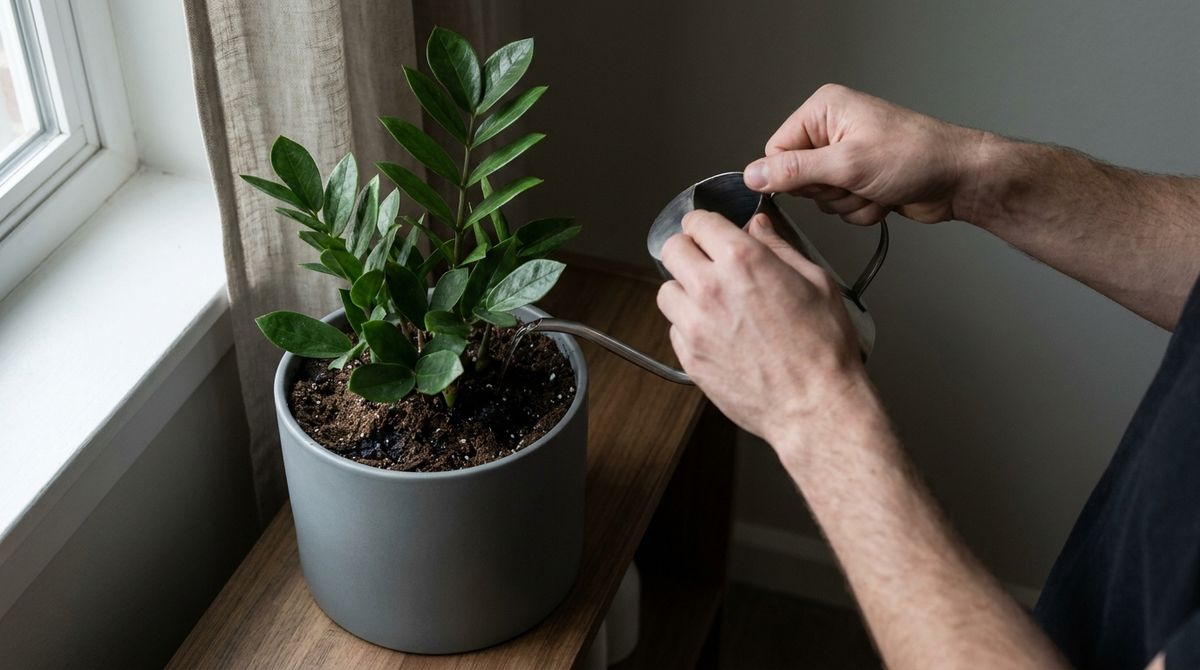
Overwatering causes more problems than most people expect. Before watering, check whether the top layer of soil feels dry. Many plants prefer to be watered thoroughly and then left to dry out a little before the next drink. Pots must have drainage holes, and saucers should be emptied after watering so that roots do not sit in water. A simple reminder, such as watering on the same day each week, can help when routines are busy. Writing the watering day on the family calendar keeps the habit visible to everyone.
- Check the soil with a finger before watering
- Water slowly until the excess drains away
- Empty saucers so roots do not sit in water
- Group plants with similar needs together
- Rotate pots now and then so each side gets light
Add a little help with moisture and humidity
Heating and dry air can cause leaf edges to brown. Grouping plants together creates a small microclimate, as the leaves release moisture into the surrounding air. A shallow tray filled with pebbles and water, with the pot sitting above the water line, can also help. Avoid misting every day, because it may not improve humidity for long and can encourage some problems on certain leaves. Observe your plants and adjust based on what you see.
You can also visit Morning Homestead for more reading. Learning to read yellow leaves, drooping stems, or dry edges can help you respond early before damage becomes severe.
Plan for trips and busy weeks
When you know a busy week or a trip is coming, prepare the plants in advance. Water them thoroughly the day before you leave, and move them away from direct heat or draughts. Ask a neighbour or friend to check on them, and show them clearly how much water each plant needs. For longer absences, consider self-watering containers or a simple wick system, but test them before relying on them completely.
For a related read on this site, see A Job Interview Checklist for First-Time Applicants. A written schedule on the fridge or near the plants can make the routine visible to everyone in the home, including children who may be keen to help.
Enjoy the process
Plants respond slowly, so patience is part of the pleasure. Spend a minute each week looking at new leaves, checking for pests, and noticing changes. Taking a moment to notice small signs of growth can be a pleasant pause in a busy day. Involve children by giving them a small job, such as dusting leaves or recording watering days. Even a modest collection can make a home feel more welcoming, and the calm of caring for living things can be a welcome break from a demanding schedule.
A houseplant that survives a busy season is a success worth celebrating. Choose plants wisely, place them thoughtfully, and keep watering simple. With those habits in place, greenery can thrive alongside school runs, revision sessions, and everything else that fills a family’s week.