Storing Fresh Produce in a Shared Fridge Without Losing Food
A shared fridge is a small social system. Three people reach in, move things around, and forget what they placed at the back. Within a week, lettuce turns limp, a half-open jar of sauce goes unnoticed, and someone’s yoghurt quietly disappears. Produce suffers most, because fruit and vegetables spoil quickly when they are stored badly or pushed out of sight. This article explains a practical way to store fresh food in a shared fridge, so that items stay fresh for longer and nobody feels their food is being lost. It offers general guidance for ordinary household use.
Know which produce belongs in the cold
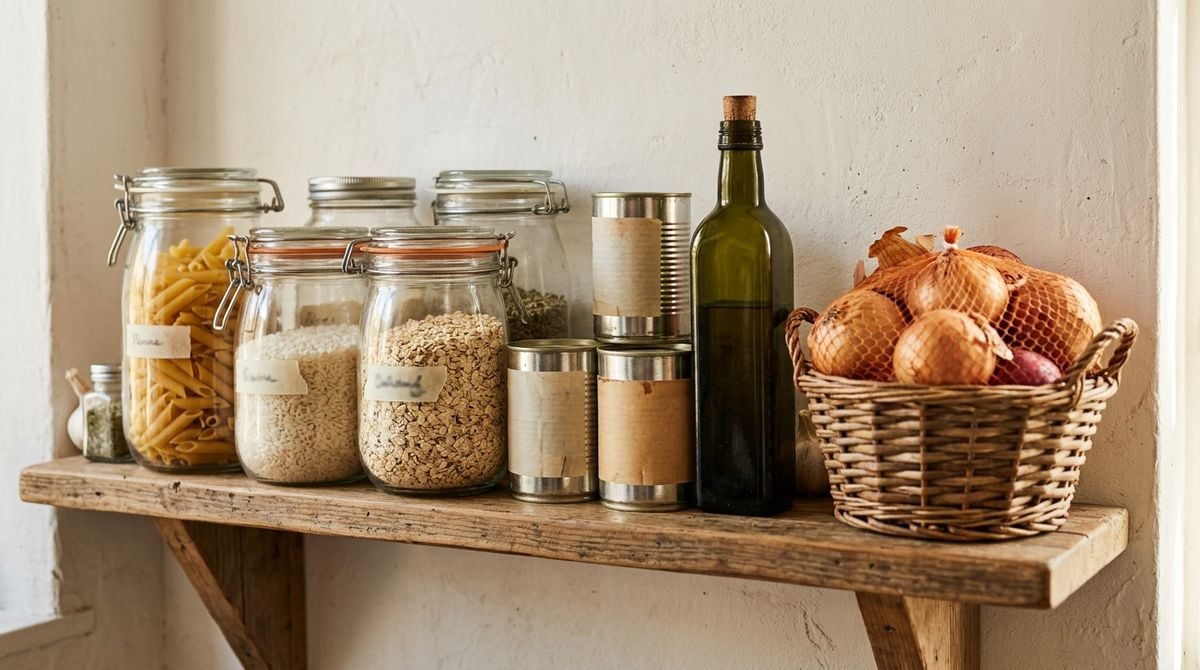
Not every fruit and vegetable should go in the fridge. Many items, including potatoes, onions, and most tomatoes, keep better in a cool, dry cupboard away from light. Others, such as salad leaves, berries, and cut vegetables, last much longer when chilled. Check the storage advice on the packaging, or ask a member of staff in the shop when you are unsure. Putting produce in the right place is the simplest way to reduce waste, and it frees valuable fridge space for things that truly need it. A simple rule of thumb is to keep whatever you plan to eat within a day or two in the most visible place, and to store the rest in the cooler, drier spots.
Give everyone a clearly marked zone
Shared shelves create confusion when items are scattered across them. Give each person a shelf, a drawer, or a labelled box, and agree that food stays in its zone. Keep a single shelf for shared items such as butter, jam, and opened sauces. Readers may also want to visit FirstReporter.org. A clear map of the fridge reduces accidental moves and makes it obvious where to look for a missing item.
Use these shelf rules
- Keep raw meat and fish on the lowest shelf in sealed containers.
- Store ready-to-eat foods above raw items to avoid drips.
- Place salad leaves and herbs in a box or bag with some air flow.
- Put opened items at the front so they are used first.
- Store fruit in a separate drawer, away from vegetables that are sensitive to it.
Review the fridge together once a week. A quick look for wilting leaves, soft fruit, and forgotten containers takes only a few minutes. If a shelf keeps filling with the same forgotten item, move that item to a more visible place or buy a smaller size next time.
Wrap, bag, and position fresh items well
Good wrapping slows spoilage. Store leafy greens in a dry container lined with kitchen paper, and keep herbs upright in a glass of water with a loose bag over the top. Cut fruit and vegetables should be sealed tightly and eaten within a short time. You can also visit Top Best One for more reading. Leave a little space between items so the cold air circulates, and avoid overfilling the shelves, because crowded food stays damp and softens sooner. Keep a roll of kitchen paper and a few resealable bags in the same drawer, so that anyone can wrap an item without searching the cupboards.
Agree on a weekly clear-out and shared rules
Waste grows when nobody owns the job of checking the fridge. Agree a fixed day, perhaps the same evening as the shared shop, to remove anything past its best. Put a simple rule in writing: if an item is opened, it carries the owner’s name and a date. Items without a name can be used by anyone once they are past that date. For a related read on this site, see Making Homemade Yoghurt and Pairing It With Simple. Keep the rules short, so that people actually follow them.
Some households also keep a small notepad on the fridge door for requests, such as asking a flatmate to buy more milk or to check whether a container is still safe to eat. A quick written note is easier to act on than a spoken reminder that gets forgotten halfway through the evening. Over time, the notepad becomes a useful record of which foods are bought often, which go to waste, and which keep well in the cold. That record makes the next weekly shop more accurate.
Keeping produce fresh in a shared fridge is less about perfect organisation and more about shared habits. Store each item in the right place, give people clear zones, wrap produce well, and clear the fridge on a fixed day. These small steps reduce waste, save money over time, and make the kitchen feel calmer. If anyone has questions about food safety for a specific health condition, speak to a qualified professional who can advise on that situation.