

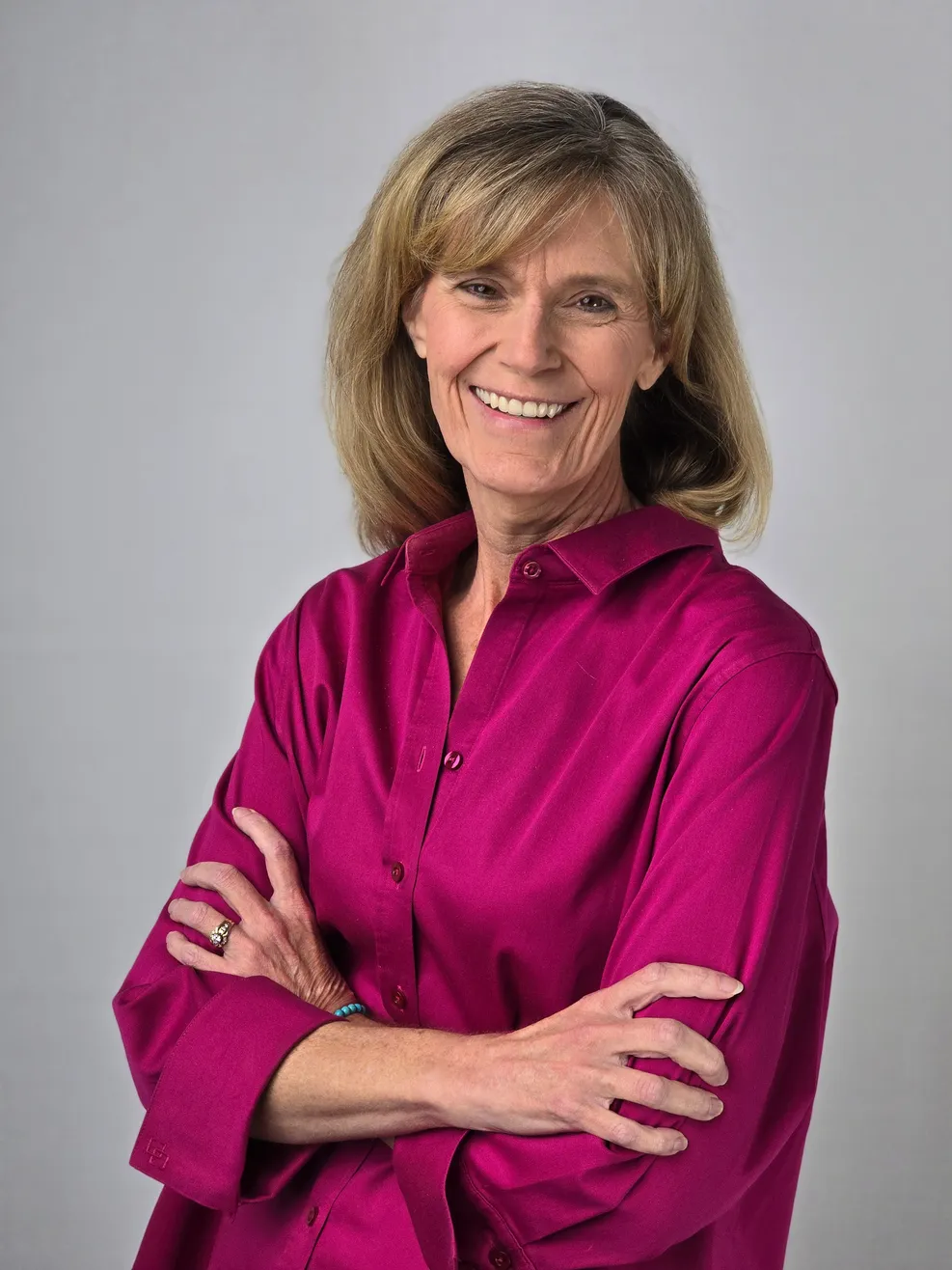
Debbie Simmons Says Most Organizations Are Bleeding Millions — And the Real Fix Isn’t What You Think
Across corporate America, a silent drain is siphoning millions of dollars from otherwise successful organizations. The culprit isn’t poor performance, bad products, or even weak talent. It’s something far more insidious — and according to leadership architect Debbie Simmons, most companies don’t even know they’re paying it.
Simmons calls it the Hidden Trust Tax.
“Every organization is paying it, they just don’t see it,” Simmons explains. “It shows up in slow decisions, repeated conversations, leaders carrying what the structure should hold.”
The issue isn’t that people aren’t working hard enough or that teams lack motivation. In fact, Simmons works primarily with organizations that are growing and producing strong results. The problem runs deeper than effort or output. It’s structural. And while most leadership events focus on inspiring individuals to perform better within the existing system, Simmons argues that approach misses the mark entirely.
“Most events today try to inspire people to perform better inside that broken system,” she says. “That’s actually not the problem. The problem is, the structure itself is not built to hold.”
The Architecture of Trust
Simmons has spent years developing what she calls the architecture of trust — an organizational discipline that reshapes how leaders align, how decisions move through an organization, and how execution becomes reliable rather than fragile.
When companies lack this structural foundation, the consequences compound quietly. Decisions stall. Leaders find themselves in the same conversations week after week. Accountability becomes murky. Teams wait for clarity that never fully arrives. The organization keeps moving, but at a pace far below its potential.
The cost is real, measurable, and often staggering. Yet because it’s diffuse — spread across delayed projects, duplicated efforts, and leadership bandwidth consumed by preventable friction — it remains largely invisible on balance sheets.
When trust is architected intentionally into how an organization operates, however, the opposite effect takes hold. Simmons describes this as the trust dividend: speed increases, decisions move with clarity, and execution holds under pressure. Capacity that was once absorbed by structural dysfunction returns to the business. Millions of dollars that were leaking out through inefficiency flow back in.
Not Inspiration — Implementation
Simmons is direct about what she offers and what she doesn’t. Her work is not designed to deliver a temporary emotional lift or a burst of motivational energy, even though her delivery carries both. Instead, she provides leaders with a lens they can apply immediately to diagnose and redesign the systems slowing them down.
“If your leaders leave inspired from your event, but nothing moves faster next week? You didn’t have an event. You had a moment,” Simmons says.
That distinction matters, especially for organizations experiencing what Simmons calls the paradox of productive dysfunction. These are companies adding headcount, expanding into new markets, and hitting revenue targets — all while sensing that something underneath the surface is beginning to strain. Complexity is increasing. Alignment is harder to maintain. The organizational machinery that worked at one stage of growth is groaning under the weight of the next.
These leaders aren’t failing. They’re succeeding in spite of a structure that’s no longer designed to support them. And that’s precisely when the Hidden Trust Tax grows steepest.
Returning Capacity to the Business
Simmons frames her mission in practical terms: help organizations stop paying the Hidden Trust Tax and start capturing the trust dividend. The return isn’t theoretical. It shows up as recovered leadership capacity, faster cycle times, clearer accountability, and ultimately, healthier margins.
For event planners and organizational leaders considering where to invest development resources, Simmons offers a clear value proposition. Her work doesn’t just shift how people feel about their work. It shifts how the work actually gets done.
“I’m here today to make you the hero,” she says. “Your event will change how the organization performs, and impact the bottom line for good.”
In a landscape crowded with motivational speakers and performance coaches, Simmons stands apart by addressing what most overlook: the invisible infrastructure that either enables or undermines everything else. For organizations willing to look beneath the surface, the opportunity isn’t just to work harder within the current system. It’s to rebuild the system so the work finally holds.