How to Launch a Social Home Decorating Party Business
Many aspiring homeowners and apartment dwellers want cohesive, inviting living spaces, but they often find full-scale interior design services intimidating or cost-prohibitive. At the same time, traditional retail shopping can leave clients overwhelmed by endless catalogs and conflicting style trends. This disconnect has created an appealing opportunity for entrepreneurial stylists: the social home decorating party business. By merging interactive social gatherings with accessible design coaching, this business model turns interior decoration into a collaborative, enjoyable event.
Unlike conventional interior decorators who work behind closed doors and present finished blueprints, an event-based styling consultant works directly with groups. Hosts invite friends, family, or neighbors to their homes or a rented venue, where the consultant guides attendees through mood board creation, spatial planning exercises, and styling tips tailored to real rooms. It is a lean, community-driven concept with low initial overhead and strong potential for organic client acquisition.
Defining Your Event-Based Home Styling Model
The foundation of a successful decorating party company lies in clear positioning. You are not simply delivering a design consultation, nor are you merely hosting an informal social hour. Your enterprise bridges the gap between structured lifestyle education and hands-on home beautification. Clients look to you to demystify layout principles, color palettes, and texture layering within a relaxed and supportive group dynamic.
Entrepreneurs who have reviewed our overview on launching a residential renovation consulting agency will recognize that modern homeowners frequently prefer hands-on guidance over high-stakes, full-scale structural overhauls. While renovation consultants coordinate contractors and architectural revisions, a decorating party facilitator addresses everyday living comfort and room-level styling. This makes the barrier to entry lower for both you and your prospective clientele.
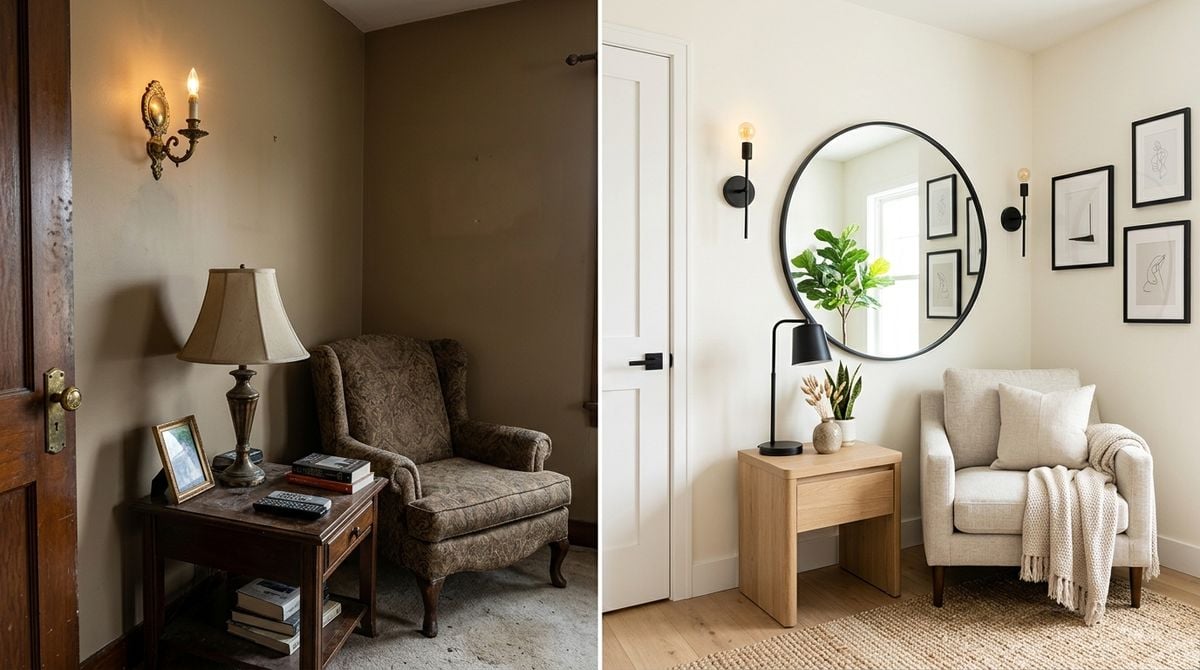
To establish your niche, decide whether your primary focus will be living room refreshes, apartment spatial planning, seasonal tabletop decor, or entryway styling. Specializing in high-impact spaces makes each party workshop tangible, giving participants actionable ideas they can execute immediately within their own homes.
Structuring Service Offerings and Event Formats
A sustainable business model requires predictable, repeatable party packages that balance educational presentation with interactive social participation. Typically, a standard session lasts a couple of hours and accommodates a small group of participants. During the event, the host provides light refreshments, while you supply sample swatches, spatial grid templates, and curated decor guides.
Building your service catalog around shared gatherings allows clients to explore concepts collaboratively, a method highlighted by resources like decoratingparty.com where casual social hosting pairs with guided layout planning to make living areas comfortable and functional. When guests work through room layout dilemmas together, they share insights, validate creative choices, and encourage one another to try fresh arrangements.
Consider developing several tiered event formats to cater to diverse customer needs. An introductory package might cover basic furniture grouping and accent placement, where guests bring room photos and measurements for group feedback. An elevated package could focus on hands-on styling kits, where participants practice vignette assembly using curated trays, vases, and textiles provided in your traveling inventory kit.
Beyond single-evening gatherings, you can introduce follow-up consultations. Many guests who attend an enjoyable party will subsequently hire you for personalized one-on-one styling audits of their own homes. This dual-revenue stream—event fees combined with follow-up private styling—creates steady cash flow without demanding aggressive outbound advertising.
Curating Decor Partnerships and Sourcing Materials
Your credibility as a styling consultant depends heavily on the quality and relevance of the items you showcase. Rather than carrying cumbersome inventory, an agile decorating business relies on curated samples, digital resource libraries, and relationships with reliable home furnishings suppliers. Your role is that of a trusted curator who cuts through clutter to present durable, aesthetic pieces that elevate standard residential spaces.
To help attendees visualize finished environments, your presentation should incorporate reliable aesthetic references and modern supply partners such as nghomedecor.com for current accents, furnishing ideas, and practical accessories that fit diverse client tastes. Introducing guests to dependable sources for accent pillows, lighting accents, wall art, and storage solutions helps them transition smoothly from the brainstorming phase into real-world implementation.
You should also forge alliances with local artisan studios, vintage dealers, and framing shops. Establishing trade accounts with boutique suppliers provides you with fabric swatches, paint sample decks, and hardware finishes that attendees can touch and examine during the party. Tactile engagement elevates the entire experience, transforming an abstract lecture into a vibrant sensory workshop.
Marketing Your Services and Attracting Initial Hosts
Generating consistent party bookings requires an outreach strategy that leverages word of mouth and community relationships. Because this business thrives on social proof, your earliest events will serve as live showcases for your talents. Offering an introductory package to personal acquaintances or community leaders allows you to gather professional photography and genuine testimonials.
To build a predictable pipeline of hosts, focus your outreach on groups experiencing lifestyle transitions. People who have recently moved, newly married couples, and parents redesigning empty bedrooms represent prime audiences eager for styling direction. Partnering with professionals who serve these demographics can yield steady referrals.
Consider focusing your initial marketing efforts on a few specific promotional channels:
- Collaborating with local residential real estate agents who can offer styling party vouchers as closing gifts to new home buyers.
- Hosting pilot demonstration workshops at community centers, local libraries, or co-working spaces to display your consulting approach.
- Partnering with boutique lifestyle shops, paint studios, or florists to co-host cross-promotional styling evenings.
- Incentivizing party hosts with exclusive styling credits or personalized room boards when their guests book subsequent events.
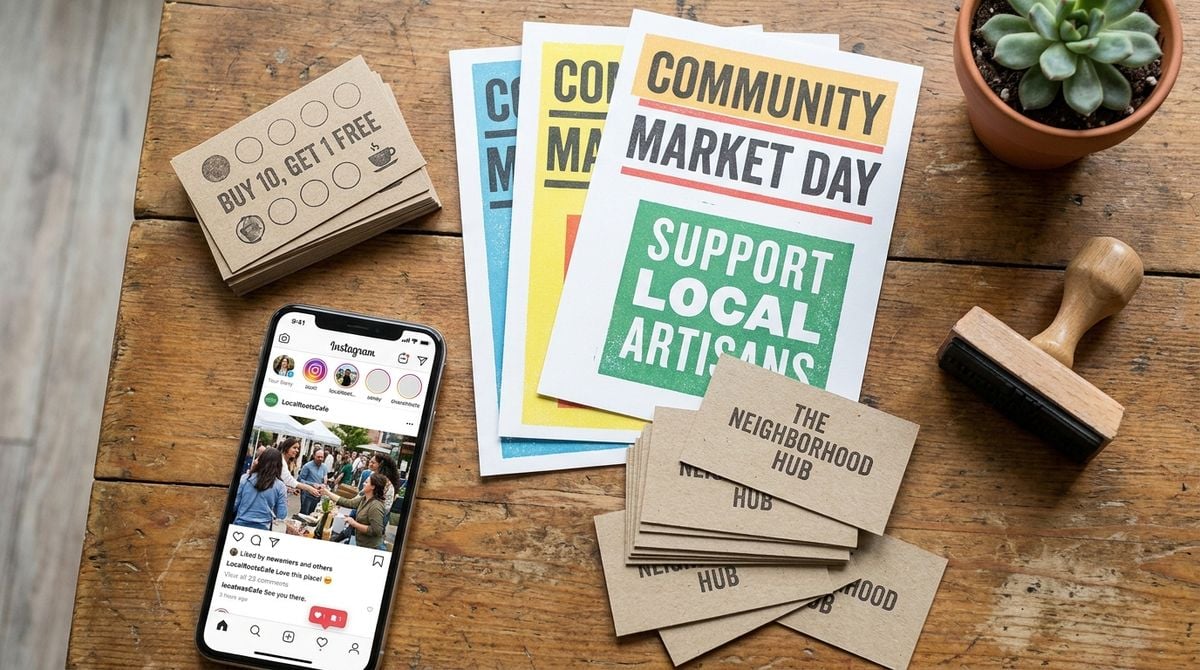
Each event you facilitate should naturally generate leads for future gatherings. Distribute polished take-home brochures containing room planning checklists and booking information. When attendees leave an event feeling inspired and equipped to improve their surroundings, booking the next gathering becomes a natural conversation among friends.
Operational Logistics and Managing Client Expectations
Smooth operations behind the scenes will ensure your decorating events feel effortless to attendees. Because you operate as a mobile consultant, organization is critical. Assemble a dedicated traveling kit that includes color fan decks, fabric swatches, measuring tapes, floor plan grid pads, and presentation display boards. Keeping your physical materials compact ensures quick setup and breakdown at host venues.
Clear communication regarding the scope of your services protects your schedule and maintains client satisfaction. During initial consultations with the host, clarify that your workshops focus on cosmetic styling, decor curation, and layout optimization rather than structural remodeling or electrical alterations. Establishing these boundaries early prevents misunderstandings and keeps the party focused on accessible, achievable design improvements.
Finally, develop simple digital intake forms where hosts can submit room dimensions, photos, and general style preferences prior to the event. Reviewing these materials in advance enables you to tailor your talking points to the host’s actual challenges, ensuring the session delivers immediate, practical value to everyone in the room.