How to Launch a Specialized Health Food Prep Business
Starting a specialized food preparation venture is an appealing path for culinary entrepreneurs who want to turn a passion for wholesome cooking into a reliable enterprise. Busy professionals, fitness enthusiasts, and active families increasingly look for convenient options that match their personal dietary goals without requiring hours of evening chopping and simmering. The convenience of pre-portioned, nutritious meals makes this segment an exciting space for small business owners.
However, running a production kitchen involves far more than simply preparing tasty dishes. It requires disciplined operational routines, careful ingredient management, strict sanitation protocols, and a clear understanding of your core customer. By approaching your new business with practical systems from day one, you can serve high-quality meals while building a stable commercial foundation that can handle growth.
Defining Your Nutritional Concept and Target Audience
One of the most common pitfalls for new food founders is trying to satisfy every dietary request at once. Offering vegan, low-carb, allergen-free, and high-protein meals within the same small kitchen quickly overwhelms prep tables and balloons inventory costs. Choosing a distinct, coherent focus allows you to refine your recipes, source consistent ingredients, and simplify purchasing.
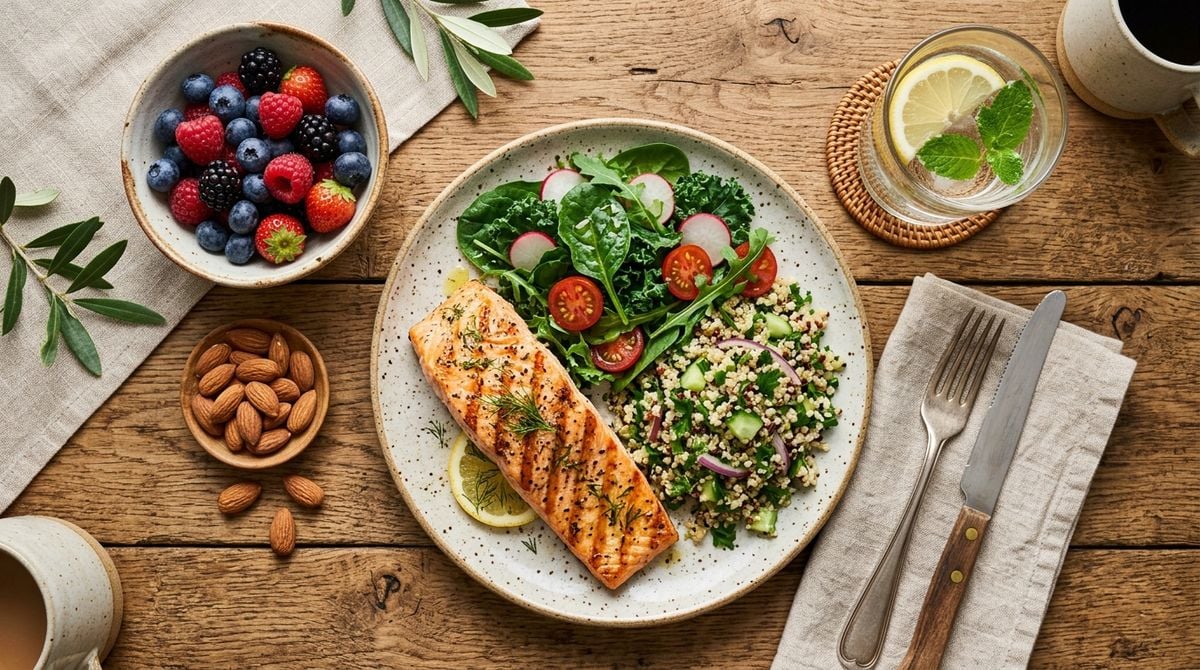
Take time to study popular eating patterns to see how structured guidelines influence customer buying habits. For instance, exploring the principles behind regimens like the Sirtfood Diet can help you understand how specific nutrient-dense ingredients, such as leafy greens, berries, and buckwheat, attract health-conscious diners who value functional nutrition. Understanding how people structure their daily eating makes it much easier to design a rotating menu that feels purposeful rather than scattered.
Once you identify your primary culinary angle, outline a tight menu with cross-utilized ingredients. A versatile base like roasted root vegetables or seasoned quinoa can anchor several different bowls, saving prep time and reducing spoilage. Test these recipes with a small group of early supporters to gather notes on flavor balance, texture after reheating, and visual presentation before launching full production.
Setting Up an Efficient and Compliant Prep Space
Before cooking a single order for sale, you must establish a compliant, clean production environment. Most entrepreneurs start either in a licensed commissary kitchen, an inspected commercial kitchen rental, or a dedicated, approved prep facility. Working in an accredited space ensures you meet local health standards and possess adequate refrigeration, commercial dishwashing gear, and fire safety equipment.
Commercial cooking also generates substantial amounts of steam, grease vapor, and moisture, particularly during extended simmer times and wash-up cycles. Excess humidity can damage dry goods, compromise packaging seals, and foster unwanted mold on cooler gaskets and storage shelves. Applying established techniques for reducing everyday moisture buildup, such as maintaining exhaust fans, wiping down wet surfaces promptly, and keeping prep zones well-ventilated, is just as critical in a busy prep space as it is in home maintenance.
Design your workspace with clear zones for raw ingredient intake, wash sinks, cutting stations, cooking equipment, and cold packing. Keeping physical separation between these steps prevents cross-contamination and helps prep staff move without bumping into one another during peak assembly hours. Keep stainless steel surfaces cleared of clutter so that deep cleaning between tasks remains swift and thorough.
Mastering Kitchen Workflow and Culinary Logistics
Kitchen efficiency depends on smooth, repeatable workflows. Professional cooks rely on systematic mise en place—having every sauce portioned, garnish chopped, and container ready before assembly starts. When you scale from cooking for a family to packaging dozens of portions, small inefficiencies in your prep line can add hours to your workday.
To sharpen your operational knowledge, look at industry practices developed by seasoned kitchen professionals. Platforms like entre-chefs.com offer helpful culinary insights and trade perspectives that help new culinary founders organize stations, understand commercial equipment, and adopt professional culinary methods. Observing how commercial kitchens organize prep sheets and manage cooking times will save you from costly trial and error.
Create standardized recipe cards for every dish on your menu. Each card should list ingredients by exact weight rather than volume, alongside clear prep steps, holding temperatures, and plating instructions. Weight-based measurements ensure consistent flavor, accurate portion control, and predictable ingredient usage across every batch. Furthermore, establish clear chilling procedures, spreading hot grains and roasted meats across shallow sheet pans so they cool down rapidly before refrigeration.
Managing Inventory and Sourcing Perishable Goods
Controlling food costs is the backbone of any viable meal prep business. Perishable produce, lean proteins, and delicate fresh herbs have limited shelf lives, meaning excessive orders directly eat into your operating funds. Establishing reliable vendor relationships with local wholesalers or regional distributors helps secure fresh ingredients on predictable delivery schedules.
To keep inventory organized and reduce food waste, follow these core kitchen habits:
- Inspect every delivery upon arrival to verify freshness, correct weights, and proper temperature control.
- Label every container with the item name, prep date, and discard deadline using waterproof tape.
- Arrange walk-in shelves according to strict stock rotation rules so older items are cooked first.
- Conduct a physical count of your dry storage and cold storage at the close of every prep cycle.
- Track prep trim and plate waste to identify portions or ingredients that need recipe adjustments.
Review your ordering schedule weekly against confirmed customer bookings. Setting clear ordering cutoffs for your customers enables you to purchase precisely what is required for the upcoming cycle. By matching purchasing directly to advance orders, you minimize unsold inventory and keep your working capital focused on active production.
Packaging, Distribution, and Customer Retention
The packaging you select represents your brand when your food arrives at a customer’s doorstep or office desk. Containers must seal tightly to prevent leaks, withstand cold transit, and hold up well if reheated in an oven or microwave. Look for sturdy, recyclable or compostable materials that demonstrate environmental care while protecting the visual appeal of your carefully arranged ingredients.
Cold-chain integrity during distribution cannot be overlooked. Pack insulated coolers or delivery totes with commercial ice packs, and map delivery routes efficiently to avoid prolonged transit times during warm weather. Clear, legible labels should list the dish name, main ingredients, allergen warnings, reheating directions, and a recommended use-by date to keep consumption safe and simple.
Building a loyal customer base requires dependable communication and consistent execution. Encourage subscribers to share their preferences, listen closely to feedback regarding seasoning or portion size, and reward repeat clients with early access to seasonal menu rotations. A simple weekly newsletter highlighting upcoming ingredients and sharing quick kitchen notes keeps your audience engaged and invested in your culinary journey.
Launching a specialized meal preparation business takes careful organization, kitchen discipline, and persistent attention to detail. By selecting a focused culinary niche, establishing clean operational workflows, and managing your kitchen environment with care, you can build a sustainable venture that nourishes your community and thrives over time.