
Redefining Remote Workspaces: Why a Garden Office Could Be Your Best Career Investment
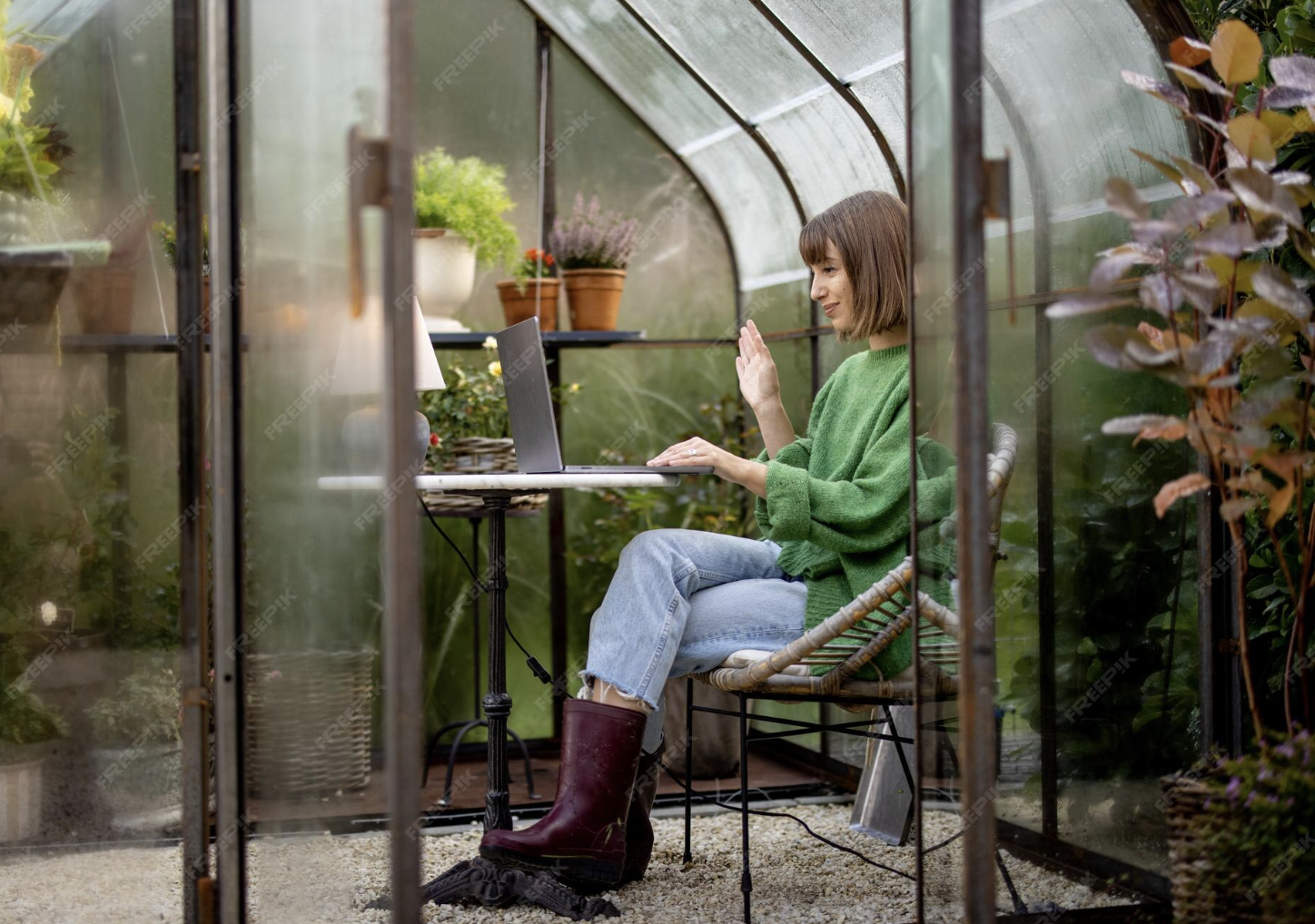
As remote work becomes a permanent part of many careers, professionals need dedicated spaces that foster focus and balance. A garden office offers a practical solution by providing a private, weatherproof workspace separate from the distractions of the main home.
Garden offices are designed to blend functionality with style, accommodating various needs from compact pods to fully equipped executive spaces. They also add value to the property and cater to the growing demand for flexible work environments. For remote workers seeking a structured workspace that supports wellbeing and efficiency, a garden office can transform their daily routine.
The Garden Office Revolution: Transforming Remote Workspaces
Remote work has shifted priorities around workspace design, pushing the creation of dedicated environments outside the main home. Garden offices provide a clear separation between personal and professional life while supporting focus, comfort, and well-being.
Garden Offices as the Next Evolution in Remote Work
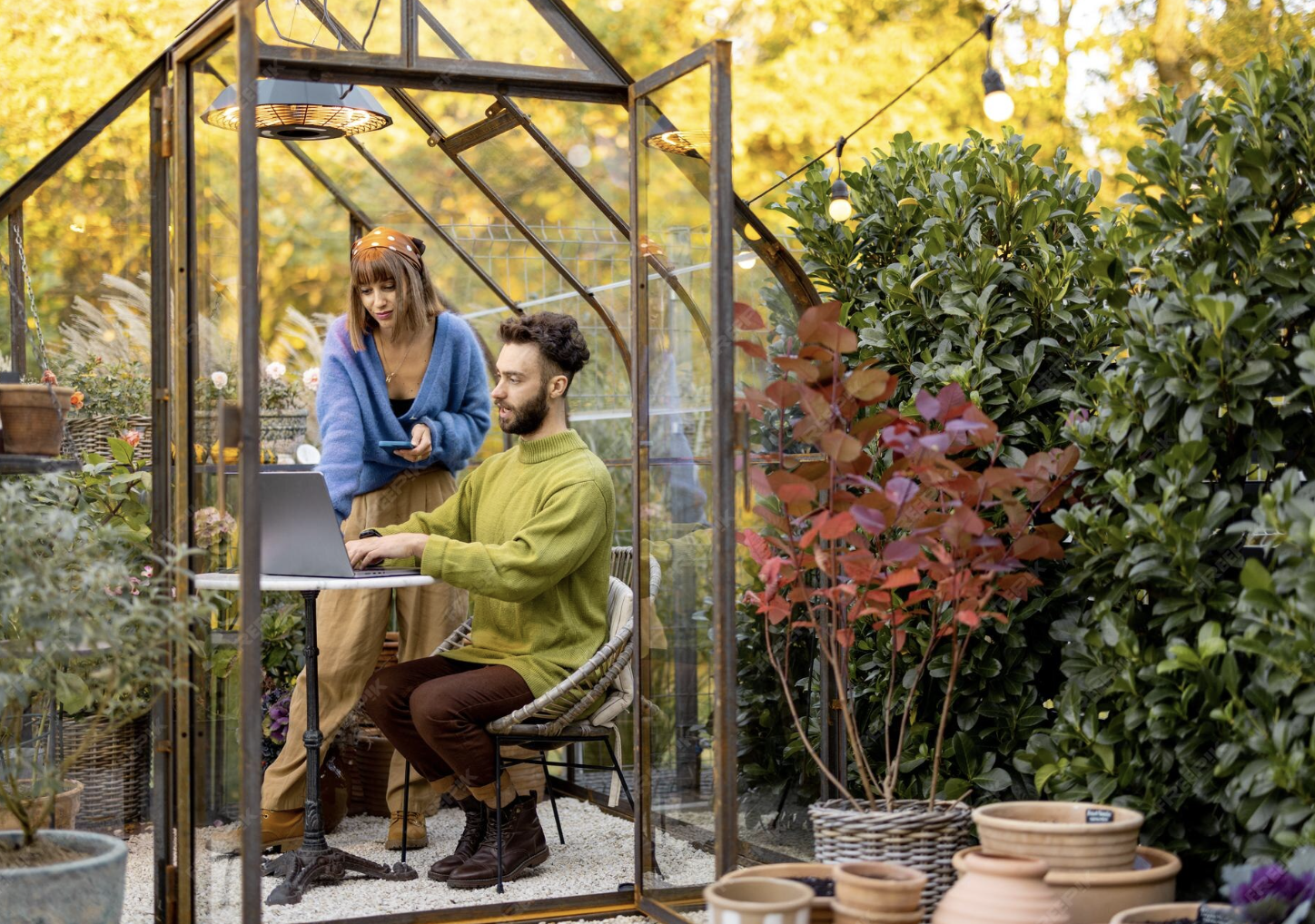
Garden offices represent a significant evolution from traditional home offices by offering a standalone, purpose-built space. Unlike makeshift setups in living rooms or kitchens, garden offices are tailored for remote work with structural features such as insulation, lighting, and ventilation designed to enhance comfort and usability.
These spaces often include modern technology integration, ensuring connectivity and efficiency. Their independent nature reduces distractions associated with working inside the house, establishing a more professional atmosphere. This makes garden offices appealing to hybrid and fully remote workers who demand functionality and privacy.
Key Benefits of a Dedicated Garden Workspace
A dedicated garden workspace delivers practical advantages directly impacting daily work routines. It provides physical separation from household noise and interruptions, which helps maintain concentration. Garden offices also improve work-life balance by creating a clear boundary between job tasks and home activities.
Additional benefits include customizability, allowing users to personalize the environment to suit their needs, from ergonomic furniture to lighting control. These spaces often have fewer spatial limitations than indoor home offices, enabling more creative and productive layouts. Because garden offices sit outside the main building, they preserve the home’s living areas for personal use.
Productivity and Mental Well-Being in Garden Offices
Working remotely in a garden office can positively influence productivity and mental health. The proximity to nature reduces stress levels and supports clearer thinking, which is crucial for focus-intensive tasks. Dedicated garden workspaces contribute to improved mental well-being by offering quiet, private environments that limit distractions.
Employees and freelancers report increased motivation and satisfaction when they separate their work zones from their living spaces. This spatial division helps prevent burnout by encouraging regular breaks and keeping work confined to a specific location.
Why a Garden Office Is a Smart Career Investment
A garden office offers targeted benefits that support productivity, comfort, and career growth. It creates a dedicated workspace distinct from the home, tailored to modern work needs. This physical separation, combined with key features, aligns well with evolving hybrid work trends and can also enhance property value.
Enhancing Work-Life Balance With Physical Separation
A garden office provides a clear boundary between professional and personal life. By situating the workspace outside the main home, it minimizes domestic distractions and helps maintain focus during work hours.
This physical separation encourages employees to “leave work” mentally at the end of the day, reducing burnout and stress. It supports healthier routines, such as better transition times and clearer distinctions between work and leisure.
Optimizing for Hybrid Work Models and Flexibility
Hybrid work models demand adaptable spaces that support both remote and office work efficiently. Garden offices serve as flexible environments that professionals can personalize to meet specific job requirements.
They accommodate varying schedules by allowing seamless transitions between remote days and in-office presence. This adaptability supports collaboration tools and quiet time without compromising either.
Garden workspaces can be customized with modular furnishings and technology setups, making them suitable for diverse projects and roles.
Essential Features: High-Speed Internet, Climate Control, and Natural Light
Key amenities significantly affect the functionality of garden offices. Reliable, high-speed internet is crucial for video conferencing, cloud access, and timely communication.
Climate control systems, such as insulation, heating, or air conditioning, ensure comfort throughout the year. This consistency prevents weather-related disruptions and maintains focus.
Incorporating ample natural light improves mood and reduces eye strain. Positioned windows and skylights contribute to a healthier work environment and increase productivity levels.
Boosting Long-Term Property Value
Investing in a garden office can increase a property’s market appeal and functional square footage. Potential buyers increasingly seek homes with versatile, dedicated workspaces.
A well-constructed garden office or office pod adds tangible value by expanding usable living and working areas. This feature distinguishes a home in competitive real estate markets.
Customizable designs allow alignment with existing property styles, ensuring seamless integration and curb appeal.