Storing Bread, Rice and Leftovers So They Last Longer
Bread, rice, and cooked leftovers are among the most common foods thrown away in ordinary kitchens. Often the problem is not the food itself but the way it is stored. A loaf left in a bag on a warm counter goes stale faster than one kept in a cool, dry place. Leftover rice cooled too slowly can become a food safety concern. This guide explains simple storage habits for bread, rice, and cooked food, so that more of what you buy ends up on the plate.
Bread: keep it cool and dry, or freeze it
Bread goes stale quickly when it is kept in a warm, humid spot, and it can become mouldy when sealed in plastic while still damp. For most loaves, a cool, dry cupboard or a bread bin with ventilation works well for a few days. Avoid storing bread in the fridge, because the cold air often makes it stale faster. If you cannot finish a loaf in time, slice it and freeze the portions, then toast slices straight from frozen when you need them.
Bread also freezes well when you buy more than you can eat. Readers may also want to visit getnewsupdate.net. Wrap it tightly, label it with the date, and keep it flat so the slices stay in shape. Frozen bread can be used for toast, breadcrumbs, or bread pudding, so even a slightly dry loaf can have a second life in another dish.
Rice: cool it quickly and refrigerate
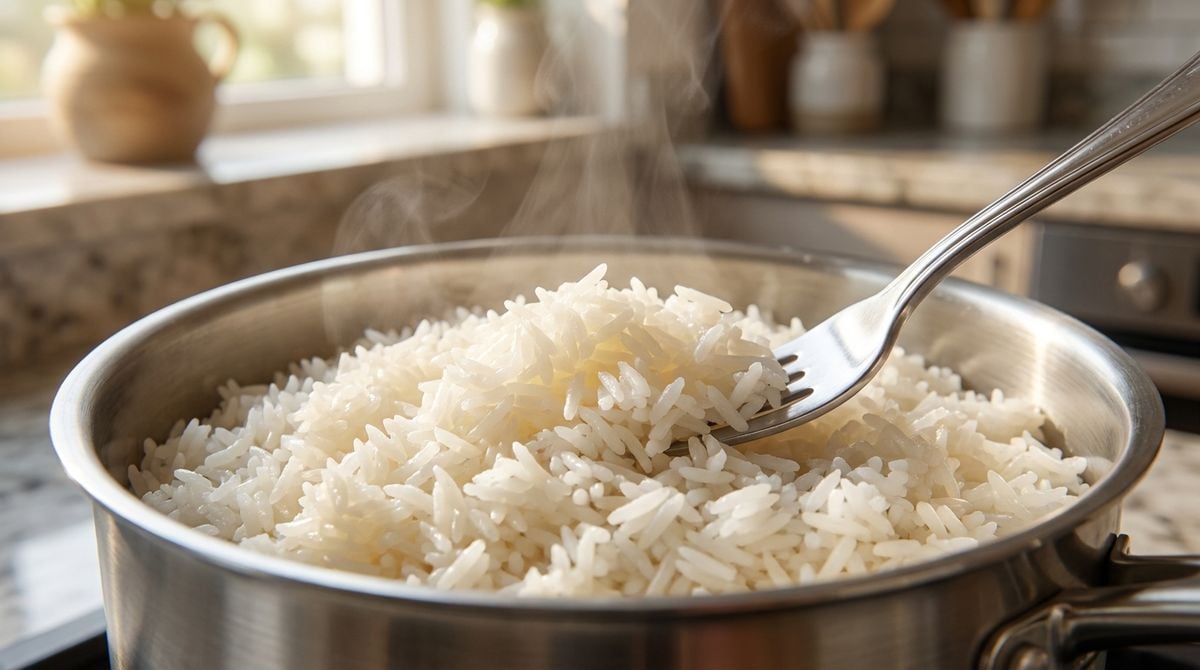
Cooked rice needs more care than many people expect. It can contain bacterial spores that survive cooking, and if rice is left warm for long periods, those spores can multiply. The safest habit is to cool cooked rice quickly, spread on a tray or in a shallow container, then refrigerate it within a short time of cooking. Do not leave rice sitting in a warm pot on the hob for hours.
Once cooled, store rice in a covered container in the fridge and use it within a day. Reheat it thoroughly until it is steaming hot throughout, and do not reheat rice more than once. If you are unsure whether rice has been stored correctly, it is safer to discard it. You can also visit filmepenet.org for more reading.
Storing cooked leftovers in the fridge
Leftovers should be cooled promptly and stored in shallow containers so that the centre cools quickly. Cover them loosely or seal them once they are cold, and place them on a shelf where they will stay cool. Keep leftovers in the fridge for a short, sensible period, and freeze any portions you will not eat in that time. Freezing stops the clock on spoilage, though it does not improve food that was already past its best.
Keep the fridge at a steady, cool temperature, and avoid overloading it, because crowded shelves can block airflow. For a related read on this site, see Quick Breakfasts for School Mornings That Keep Young. Store raw meat and fish below cooked foods to prevent drips, and keep leftovers separate from raw ingredients. These habits reduce risk and make it easier to see what needs eating first.
Labelling and rotation
A simple label system makes a big difference. Write the date on containers and packets, and place the newest items at the back of the shelf so the oldest ones are used first. Many households keep a small box at eye level labelled “use first”, which catches leftovers that need attention before they are forgotten. A quick glance each evening can help you plan the next day’s meals around what needs using.
A simple routine keeps leftovers under control.
- Write the date on every container before it goes into the fridge.
- Place newer items at the back and older items at the front.
- Keep a box labelled use first at eye level.
- Check the shelf each evening and plan the next meal around it.
Rotation also helps with dry goods. Store rice, pasta, and flour in sealed containers in a cool, dry cupboard, and check them every few weeks for signs of pests or moisture. A clear container lets you see how much remains, which makes it easier to plan purchases without overbuying.
Mistakes that lead to waste
The most common mistake is putting warm food straight into a sealed container. Trapped steam can make food soggy and encourage spoilage, so let it cool a little first, then cover it. Another mistake is buying more bread or rice than you can realistically use, especially when a large pack seems cheaper. Consider whether you will eat it, and freeze part of it if necessary.
A third mistake is trusting your memory. Leftovers forgotten at the back of the fridge are one of the most frequent causes of waste. Keep a visible list or a labelled shelf, and check it regularly. Finally, if a food has an unusual smell, texture, or appearance, do not taste it to test it. When in doubt, throw it away and keep your household safe.
Storing food well is a quiet skill, but it protects both your health and your budget. Start with bread and rice, which are easy to manage, and extend the same habits to every leftover that comes out of your kitchen.