

The Economic Impact of Electric Vehicles on the Automotive Industry
The rise of electric vehicles (EVs) is one of the most disruptive forces in the history of the automotive sector. From reshaping global supply chains to redefining business models, EVs are transforming the industry in ways few could have imagined a decade ago. What started as a niche market dominated by startups is now a worldwide phenomenon embraced by legacy automakers, tech companies, and governments.
The economic impact of EVs stretches far beyond automakers. It affects energy providers, raw material suppliers, mechanics, and even real estate developers. Understanding this transformation is crucial for businesses, policymakers, and consumers alike.
Shifting Market Dynamics
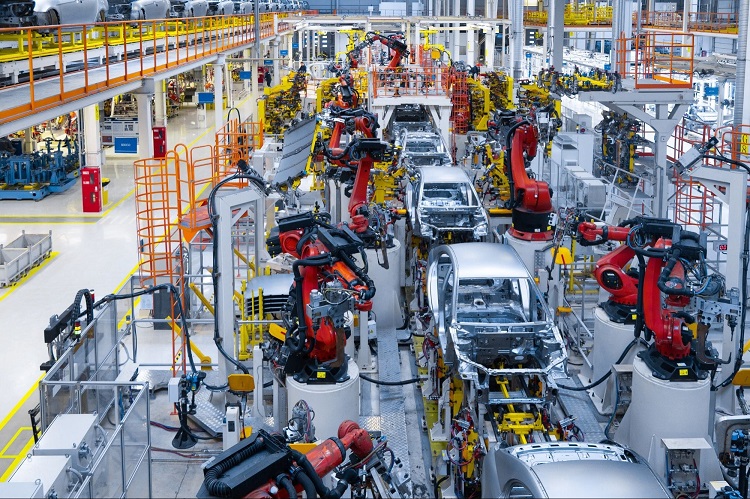
For over a century, the automotive industry has revolved around internal combustion engine (ICE) vehicles. The shift to EVs disrupts this foundation, forcing manufacturers to rethink their production processes, supply chains, and customer engagement strategies.
- Rising EV Demand: Global EV sales have skyrocketed, reaching millions annually, with countries like China, Norway, and the U.S. leading adoption.
- Decline of ICE Vehicles: Many nations have set deadlines to ban gasoline and diesel cars, accelerating the transition.
- New Entrants: Tech-driven companies like Tesla, Rivian, and BYD are challenging traditional automakers.
This shift means automakers that fail to adapt risk losing relevance in the next decade.
Impact on Jobs and Skills
The economic ripple effect of EV adoption is particularly evident in the labor market.
- Decline in Traditional Auto Jobs: EVs have fewer moving parts than ICE vehicles, requiring less maintenance and reducing demand for certain manufacturing roles.
- Rise in New Jobs: On the other hand, demand is soaring for engineers specializing in batteries, software development, and AI-based systems.
- Reskilling the Workforce: Automakers are investing in training programs to help workers transition from ICE expertise to EV technology.
In short, EVs are not eliminating jobs but transforming the skillsets required.
Supply Chain Transformation
EVs rely heavily on batteries, which require critical minerals such as lithium, cobalt, and nickel. This has shifted the focus of supply chains from oil to mining.
- Resource Dependency: Countries rich in these minerals, like Chile (lithium) and the Democratic Republic of Congo (cobalt), have gained strategic importance.
- Geopolitical Challenges: Securing a steady supply of raw materials has become a major priority for governments and companies alike.
- Recycling Opportunities: To reduce dependency, many firms are investing in battery recycling and circular supply chains.
This transformation is as significant as the oil boom of the 20th century.
Investment and Innovation
The EV revolution is also attracting unprecedented investment.
- R&D Spending: Automakers are channeling billions into research for better batteries, software, and design innovations.
- Startup Ecosystem: EV-related startups focusing on charging, AI, and materials are flourishing.
- Government Support: Incentives, subsidies, and tax breaks are fueling innovation and adoption.
This innovation-driven environment is not only reshaping cars but also creating entirely new industries.
Impact on Energy and Infrastructure
EV adoption creates ripple effects in the energy sector. Utilities must upgrade grids to handle increased demand, while renewable energy providers benefit from rising electricity consumption.
Real estate developers are also adapting by adding EV charging facilities in residential and commercial properties. Retailers and hospitality businesses see chargers as a way to attract and retain customers.
These cross-industry effects illustrate how EVs are far more than just cars—they’re catalysts for economic change.
Consumer Economics
From the consumer perspective, EVs are becoming more affordable thanks to falling battery costs and government incentives. Lower running costs—cheaper “fuel” (electricity vs. gasoline) and reduced maintenance—make EVs economically appealing over the long term.
While upfront costs are still higher than ICE vehicles, the total cost of ownership is dropping rapidly, leading to broader adoption.
Challenges to Economic Transformation
Despite the positives, the economic shift brings challenges:
- High Initial Investments: Automakers face significant costs to retool factories and develop EV platforms.
- Uncertain Profitability: EV profit margins remain thinner compared to traditional cars.
- Global Inequality: Developing nations may struggle to keep up due to infrastructure and affordability gaps.
These hurdles show that while EVs are shaping the economy, the transition is not without friction.
Long-Term Economic Outlook
The economic transformation driven by EVs is still unfolding, but some trends are clear:
- Consolidation: Smaller automakers may merge or disappear, while strong players expand.
- Technology Convergence: EVs, autonomous driving, and smart cities will create integrated economic ecosystems.
- Sustainability Focus: Recycling, renewable energy integration, and green supply chains will become profitable business areas.
By 2040, EVs are expected to dominate global car sales, making them a cornerstone of the global economy.
Role of Information and Awareness
As this transformation accelerates, staying informed is essential for businesses and consumers alike. Platforms such as evblogs.in provide valuable insights into EV trends, industry analysis, and the broader economic shifts shaping the automotive sector. By tracking these changes, stakeholders can prepare for the opportunities and challenges of an EV-driven economy.
Conclusion
The rise of electric vehicles is more than just a technological change—it is an economic revolution. From reshaping supply chains and job markets to influencing global politics and consumer behavior, EVs are redefining the automotive industry.
While challenges such as high costs, resource dependencies, and infrastructure gaps remain, the long-term economic potential of EVs is undeniable. Businesses that adapt to this new reality will thrive, while those that resist risk being left behind.
The future of the automotive industry is electric, and its economic impact will be felt across every sector of society.