

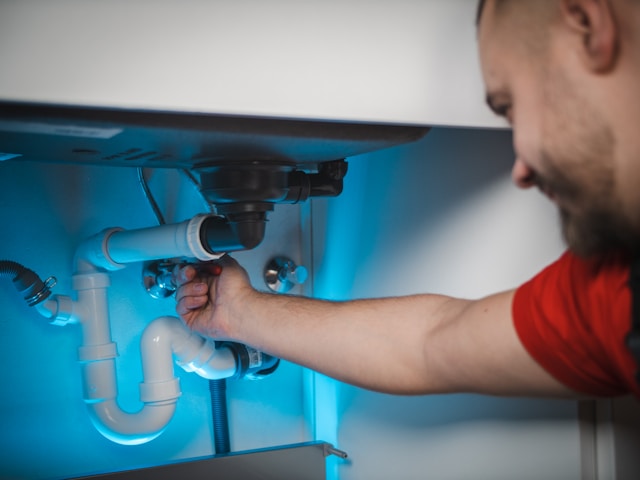
What to Know About Having a Career as a Plumber
Choosing a career path can be daunting, but for those who enjoy hands-on work, problem-solving, and the satisfaction of helping people directly, plumbing offers a rewarding and stable profession. It is one of the oldest skilled trades and continues to be in demand across residential, commercial, and industrial sectors. Plumbing professionals ensure that modern life functions smoothly—providing clean water, reliable drainage, and safe systems for daily living.
Plumber careers are much more than fixing leaks or unclogging drains. Skilled plumbers are trained in installing complex water and gas systems, maintaining heating solutions, interpreting blueprints, and ensuring all work complies with local codes and regulations. Because every building requires plumbing, opportunities exist in construction, maintenance, remodeling, and even in highly specialized industries like medical facilities or power plants. The variety keeps the work interesting and allows professionals to develop niche expertise if they choose.
Training and Certification
Most plumbers begin their journey through an apprenticeship program that combines classroom instruction with on-the-job training. Apprenticeships usually last four to five years, giving trainees the chance to earn while they learn. Coursework typically includes mathematics, safety practices, building codes, and system design. Once an apprenticeship is complete, plumbers must often pass a licensing exam, which varies by state or country. Certifications not only establish credibility but also allow access to more advanced job opportunities.
Work Environment and Lifestyle
Plumbing is physically active, involving lifting, crawling into tight spaces, and sometimes working outdoors in varying weather conditions. While this may not appeal to everyone, many professionals enjoy the active nature of the work compared to sedentary office jobs. Hours can vary depending on specialization. For instance, residential plumbers may take emergency calls on nights and weekends, while those in commercial or industrial settings may work more predictable schedules.
Career Advancement and Earnings
Plumbing offers excellent earning potential. Entry-level wages for apprentices are modest but grow steadily as skills and certifications accumulate. Journeyman plumbers can earn competitive salaries, and master plumbers—those with extensive experience and licensing—often run their own businesses, commanding higher rates. According to labor market projections, demand for plumbers remains strong, driven by population growth, new construction, and the ongoing need for system repairs and upgrades. For entrepreneurial individuals, starting a plumbing company can create significant long-term wealth.
Skills and Personality Fit
Successful plumbers combine technical expertise with customer service skills. Clear communication is essential, as clients may feel anxious about urgent repairs or costs. Attention to detail, patience, and problem-solving abilities also play a major role. Technology is increasingly shaping the trade, with modern diagnostic tools and even smart-home systems requiring plumbers to adapt and learn continuously. Those who embrace lifelong learning will find themselves ahead of the curve.
Final Thoughts
A career as a plumber is not only practical but also personally fulfilling. It offers stability, opportunities for advancement, and the chance to make a direct difference in people’s lives. While the job can be physically demanding, the rewards—both financial and professional—are significant. For individuals who enjoy active, varied work and value the pride of building and maintaining essential infrastructure, plumbing remains one of the most dependable and respected trades to pursue.
